













How to Use Minimalist Furniture in Men's Boutiques
How to Use Minimalist Furniture in Men’s Boutiques
Minimalist furniture has become a defining element in modern men’s boutiques. Clean lines, neutral tones, and functional design not only elevate the visual identity of a store but also help products stand out. In men’s fashion retail, where details, fit, and quality matter, minimalist furniture creates a calm and premium environment that encourages customers to focus on the clothing itself. When used correctly, it can improve the shopping experience and positively impact sales.
Why Minimalist Furniture Works for Men’s Fashion
Men’s boutiques benefit greatly from simplicity. Unlike overly decorative interiors, minimalist furniture supports a refined and confident atmosphere that aligns well with men’s clothing such as suits, jackets, shirts, and trousers. By reducing visual clutter, customers can navigate the store more easily and engage with products without distraction.
Minimalist design also communicates professionalism and trust. For wholesale-focused retailers sourcing products from partners like Clothing Supplier, this style reinforces the perception of quality and consistency across men’s, women’s, and children’s collections displayed in-store.
Focus on Functionality First
Minimalist furniture is not only about aesthetics; it is about function. Every piece should serve a clear purpose. Clothing racks should allow easy browsing, tables should highlight folded items neatly, and seating areas should be subtle yet comfortable.
In men’s boutiques, modular racks and adjustable shelving are especially useful. They allow retailers to quickly adapt layouts for new collections or seasonal changes without adding unnecessary furniture. This flexibility is ideal for stores that regularly update inventory through wholesale and bulk purchases.
Use Neutral Colors to Highlight Products
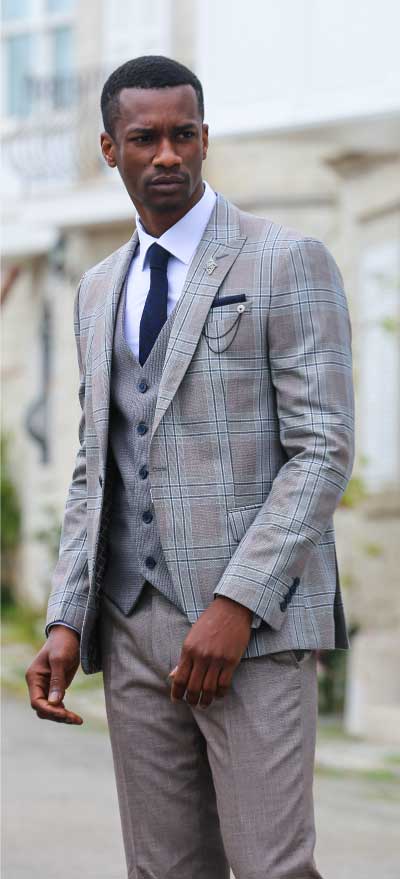
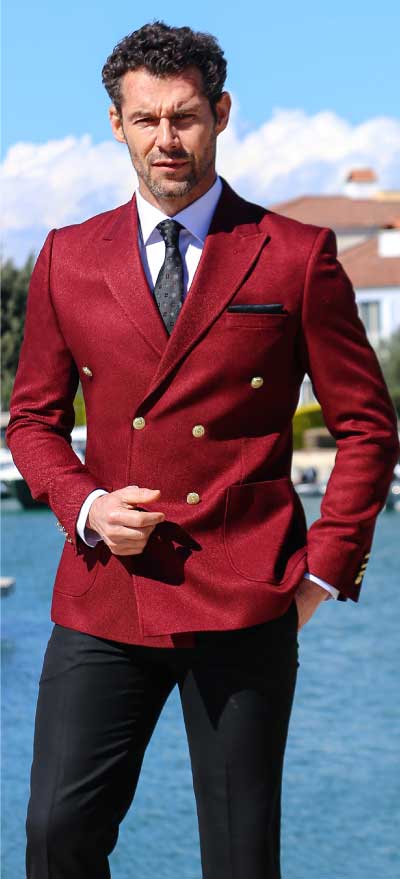
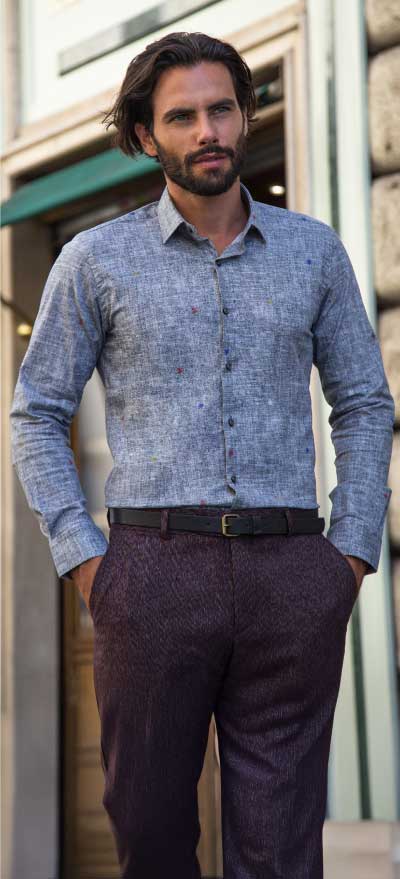
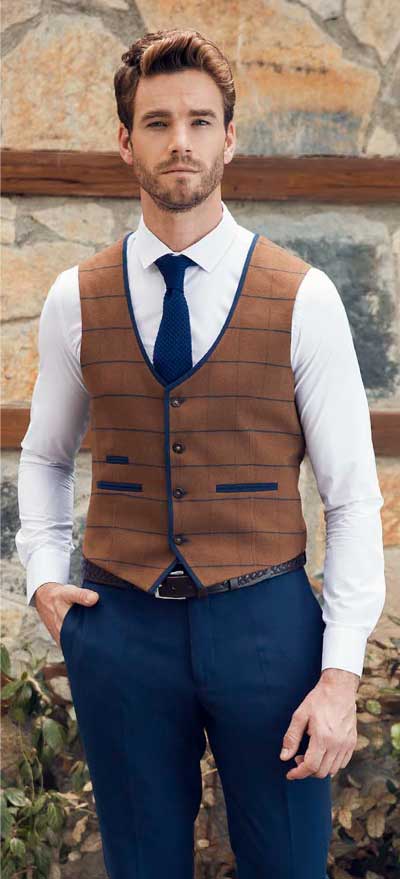
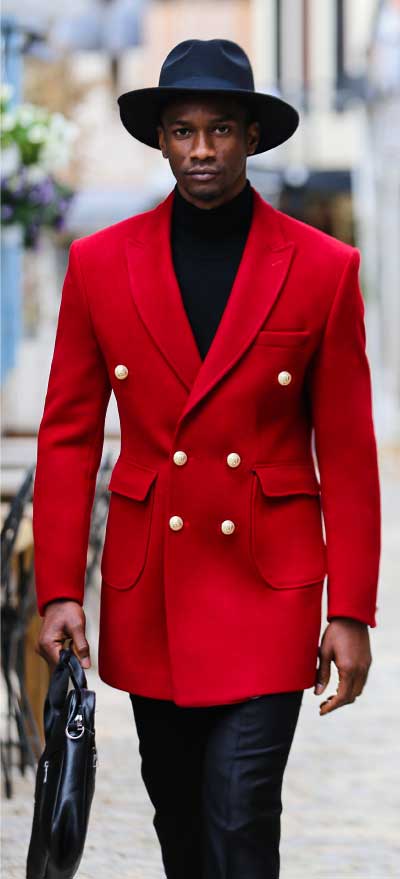
Neutral colors such as black, white, grey, beige, and natural wood tones are core elements of minimalist furniture. These shades act as a backdrop that lets men’s clothing take center stage. Dark suits, textured jackets, or patterned shirts become more visually striking when displayed against simple, muted furniture.
For retailers working with Clothing Supplier, which offers a wide range of men’s apparel styles, neutral furniture ensures that different collections can coexist harmoniously without clashing visually. This consistency is particularly valuable when mixing formal, casual, and seasonal pieces in one space.
Create Space and Flow in the Store Layout
One of the main advantages of minimalist furniture is how it supports open space and smooth customer flow. Avoid overcrowding the store with too many racks or tables. Instead, leave enough room between displays so customers can move comfortably and view products from different angles.
Clear pathways make the boutique feel more inviting and premium. This approach also encourages customers to spend more time in the store, increasing the likelihood of purchases. A well-spaced layout works equally well for showcasing high-margin wholesale items and new arrivals.
Highlight Key Pieces With Statement Displays
Minimalism does not mean boring. In fact, it allows key products to shine. Use one or two statement furniture pieces, such as a central display table or a feature rack, to highlight bestsellers or new collections.
For example, a single wooden table showcasing folded shirts or accessories creates a focal point without overwhelming the space. Retailers sourcing from Clothing Supplier can rotate these featured items regularly to keep the store fresh while maintaining a consistent minimalist style.
Combine Lighting With Minimalist Furniture
Lighting plays a crucial role in making minimalist furniture effective. Clean furniture lines paired with warm, focused lighting create depth and highlight textures and fabrics. Spotlights on racks or soft overhead lighting above display tables enhance product visibility without breaking the minimalist aesthetic.
Good lighting also elevates perceived value, which is especially important in men’s boutiques selling premium or wholesale-sourced clothing. The right lighting can make even simple furniture feel sophisticated and intentional.
Keep Accessories and Décor Intentional
Minimalist boutiques should avoid excessive décor. Accessories such as mirrors, plants, or small art pieces should be used sparingly and with purpose. A single large mirror or a subtle plant can add character without distracting from the clothing.
This approach aligns well with wholesale retail strategies, where the focus is on product variety and turnover. By keeping décor minimal, retailers can refresh their store simply by updating merchandise sourced from Clothing Supplier, rather than constantly changing the interior.
Final Thoughts
Using minimalist furniture in men’s boutiques is about balance: clean design, smart functionality, and a strong focus on the products. When furniture supports rather than competes with the clothing, the entire store feels more premium and organized. For retailers working with wholesale partners like Clothing Supplier, minimalist furniture provides the perfect foundation to showcase men’s collections effectively, adapt to seasonal changes, and create a shopping experience that feels modern, confident, and trustworthy.


