












Arranging Seasonal Accessories for Impulse Buys
Arranging Seasonal Accessories for Impulse Buys
Seasonal accessories are one of the most powerful tools for increasing average order value in a clothing store. Items like scarves, hats, belts, gloves, socks, and small fashion add-ons are often purchased on impulse—especially when they are displayed correctly. Smart arrangement of seasonal accessories not only enhances the shopping experience but also turns casual browsing into quick, profitable decisions.
For retailers working with wholesale and bulk inventory, mastering impulse-buy strategies can significantly boost margins without requiring major investments.
Why Seasonal Accessories Drive Impulse Purchases
Accessories are typically lower-priced than core apparel items, which makes customers less hesitant to add them to their basket. When aligned with the current season, they feel relevant, practical, and timely. A lightweight scarf in spring or a cozy knit beanie in winter solves an immediate need and feels like a smart extra purchase.
From a wholesale perspective, accessories also offer high flexibility. They require less space, are easier to merchandise, and can be reordered quickly through reliable partners like Clothing Supplier, who provide seasonal accessories alongside men’s, women’s, and kids’ wholesale clothing.
Place Accessories Where Decisions Happen
Impulse buys happen at decision points. The most effective locations for seasonal accessories include checkout counters, near fitting rooms, at store entrances, and next to best-selling apparel items. Online stores benefit from the same logic by placing accessories on product pages, cart pages, and recommendation sections.
For example, displaying belts next to trousers or scarves next to jackets creates a natural styling suggestion. Customers often think, “This completes the look,” and add the accessory without hesitation. This strategy works particularly well when accessories are sourced in bulk and priced attractively.
Create Clear Seasonal Themes
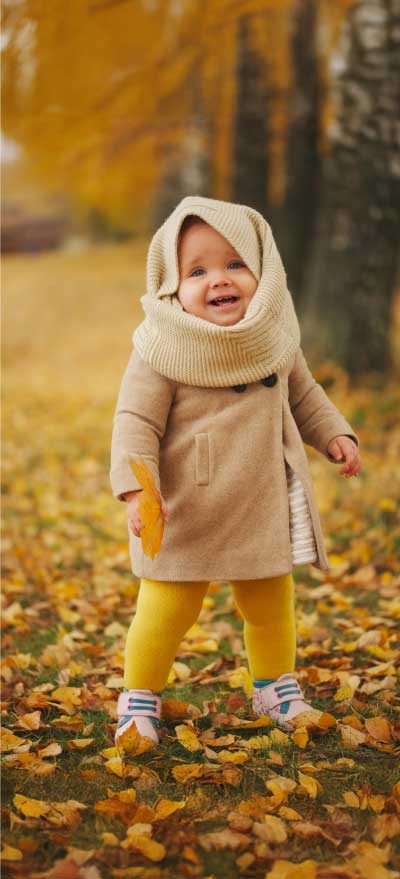
Seasonal storytelling is essential for impulse buying. Accessories should clearly reflect the current season through color, texture, and material. Warm tones, wool, and knits signal fall and winter, while light fabrics, bright colors, and breathable materials fit spring and summer.
Grouping accessories by season helps customers instantly understand their purpose. A “Winter Essentials” or “Summer Add-Ons” concept reduces decision fatigue and speeds up the buying process. Wholesale buyers working with Clothing Supplier can plan these seasonal groupings in advance by ordering accessories that match upcoming collections.
Use Small Displays With High Visual Impact
Accessories do not need large areas to perform well. In fact, compact, well-organized displays often convert better than crowded racks. Use baskets, trays, hooks, or small shelves to create clean and accessible layouts.
Limit choices within each display to avoid overwhelming customers. A focused selection of 5–10 seasonal accessories is usually enough to trigger impulse purchases. Rotation is key—refreshing the display regularly keeps it visually engaging and encourages repeat buyers to notice new items.
Price and Bundle Strategically
Impulse accessories should feel affordable. Clear pricing is essential, and psychological price points work especially well for add-ons. Customers are far more likely to add an item when the price feels “minor” compared to their main purchase.
Bundling is another effective strategy. Offering “Complete the Look” sets or small discounts when accessories are added to apparel purchases increases conversion rates. For wholesale-focused retailers, sourcing accessories in bulk through Clothing Supplier allows for flexible pricing strategies while maintaining healthy margins.
Train Staff to Suggest, Not Sell
In physical stores, staff play a critical role in impulse buying. A simple suggestion like “This scarf pairs really well with that coat” feels helpful rather than pushy. Training staff to understand seasonal accessories and styling combinations can dramatically increase accessory sales.
Online stores can replicate this approach with smart product recommendations, “You may also like” sections, and seasonal pop-ups that suggest relevant accessories at the right moment.
Plan Inventory to Avoid Leftovers
Seasonal accessories must move quickly. Overordering can lead to leftover stock that loses relevance once the season ends. This is why controlled bulk buying and accurate forecasting are essential.
Working with a wholesale partner like Clothing Supplier helps retailers balance variety and quantity. By offering accessories across women’s, men’s, and children’s categories, Clothing Supplier enables retailers to test seasonal demand without committing to excessive inventory.
Final Thoughts
Arranging seasonal accessories for impulse buys is about timing, placement, and simplicity. When accessories are easy to see, easy to understand, and clearly seasonal, customers are far more likely to add them to their purchase. With thoughtful displays, smart pricing, and dependable wholesale sourcing from partners like Clothing Supplier, seasonal accessories can become one of the most profitable parts of your inventory strategy.


